
Real local priorities
Review your services, coverage areas, current visibility, and business information.

Apex provides local SEO services that connect your website, Google Business Profile, and listings around the Oregon communities you actually serve. Customers should find accurate details and an easy way to contact you wherever they discover the business.

For local businesses whose website, Google profile, and listings do not tell a clear, consistent story.
Review your services, coverage areas, current visibility, and business information.
Improve service and area information that helps nearby customers evaluate your business.

Align key details and review available search, profile, and inquiry signals.
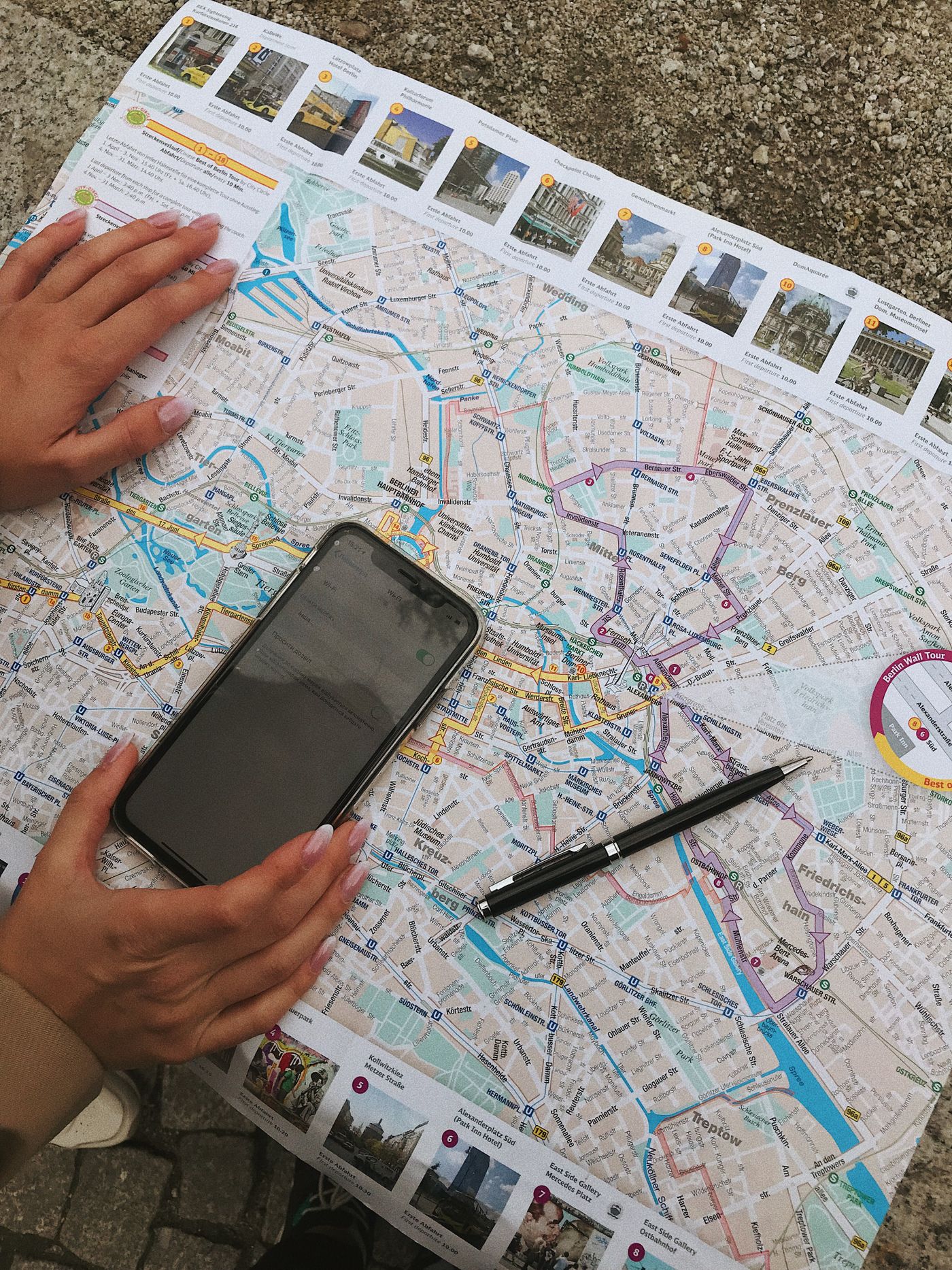
Local SEO brings several parts of our SEO services together: useful service-area content, accurate profile details, relevant listings and clear contact paths. The plan follows your real coverage and business priorities.
Review your services, real coverage areas, website, business profile and the places customers use to find you.
Prioritize inaccurate details, missing service information, weak local pages and difficult contact routes.
Use available search visibility, profile activity and inquiry data to explain progress and choose the next priorities.
Get answers about the service, the process, and what to expect.
Growth is $1,800/month and includes local SEO, Google Business Profile information optimization, one new content item, and one hour of website edits each month. Pro is $3,200/month with deeper SEO, ongoing profile management, two total content items, and two hours of edits. Total page limits apply. Compare current plans and full scope.
No. A location page should contain useful, distinct information about a place you genuinely serve. Repeating the same text with different city names does little to help customers.
Profile details, services, photos, links and update priorities can form part of the local SEO work. The specific tasks depend on your agreed plan and available account access.
Incorrect information can often be addressed early, while broader visibility develops through ongoing work. Timing varies with the current website and profile, the market and the competition.
Tell Apex which services and areas matter most. We will review how the website, profile and listings support those priorities.